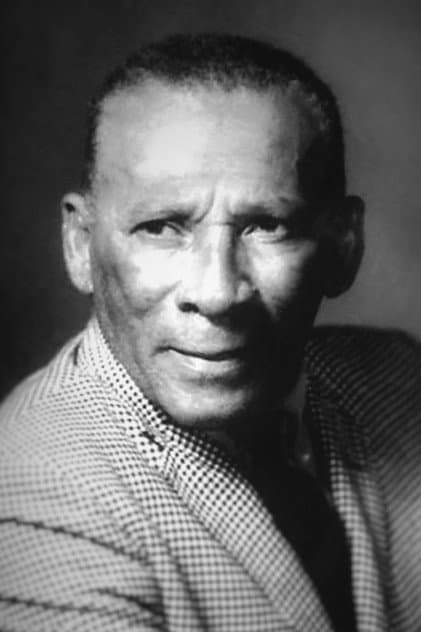
Rafael Hernández
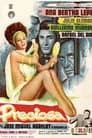
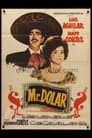
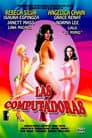
Explore the best Rafael Hernández movies ranked by Movie Rankings users. Browse biography, ranked filmography, and movie detail links for Rafael Hernández.
Rafael Hernández Marín (October 24, 1892 – December 11, 1965) was a Puerto Rican songwriter, author of hundreds of popular songs in the Latin American repertoire. He specialized in Puerto Rican styles such as the canción, bolero and guaracha. Among his most famous compositions are "Lamento Borincano", "Capullito de alhelí", "Campanitas de cristal", "Cachita", "Silencio", "El cumbanchero", "Ausencia" and "Perfume de gardenias". Rafael Hernández Marín was born in the town of Aguadilla, Puerto Rico, into a poor family, on October 24, 1892. His parents were María Hernández Marín and Miguel Angel Rosa, though he was given only his mother's surname. As a child, he learned the craft of cigar making, from which he made a modest living. He also grew to love music and asked his parents to permit him to become a full-time music student. When he was 12 years old, Hernández studied music in San Juan, under the guidance of music professors Jose Ruellan Lequenica and Jesús Figueroa. He learned to play many musical instruments, among them the clarinet, tuba, violin, piano, and guitar. At the age of 14, he played for the Cocolia Orquestra. Hernández moved to San Juan where he played for the municipal orchestra under the director Manuel Tizol. In 1913, Hernández begot his first child, Antonio Hernández (out of wedlock), to Ana Bone. In 1917, Hernández was working as a musician in North Carolina, when the United States entered World War I. The jazz bandleader James Reese Europe recruited brothers Rafael and Jesús Hernández, and 16 more Puerto Ricans to join the United States Army's Harlem Hell fighters musical band, the Orchestra Europe. He enlisted and was assigned to the U.S. 369th Infantry Regiment (formerly known as the 15th Infantry Regiment, New York National Guard, created in New York City June 2, 1913). The regiment, nicknamed "The Harlem Hell Fighters" by the Germans, served in France. Hernández toured Europe with the Orchestra Europe. The 369th was awarded the French Croix de Guerre for battlefield gallantry by the President of France. After the war, Hernández moved to New York City. In the 1920s, he started writing songs and organized a trio called "Trio Borincano". In 1926, fellow Puerto Rican, Pedro Flores who was a composer, joined the Trio. Even though Hernández and Flores became and always remained good friends, they soon went their separate ways and artistically competed against each other. After the trio broke up, he formed a quartet called "Cuarteto Victoria" which included singer Myrta Silva, also known as La Guarachera and La Gorda de Oro. With both groups, Hernández traveled and played his music all over the United States and Latin America. On September 2, 1927, Hernández' sister Victoria opened Casa Hernandez, a music store which also acted as a booking agency and base of operations for her brother. In 1929, Trío Borinquen recorded Linda Quisqueya (originally titled Linda Borinquen) and that same year he founded the "Cuarteto Victoria" (also known as "El Cuarteto Rico") named after his sister. ... Source: Article "Rafael Hernández Marín" from Wikipedia in English, licensed under CC-BY-SA 3.0.
What is the best Rafael Hernández movie?
Movie Rankings is still collecting enough aggregate data to name a definitive top Rafael Hernández movie.
How many Rafael Hernández movies are ranked here?
This page tracks every ranked credit we currently have for Rafael Hernández, and expands as more titles and comparisons are added.
How often do Rafael Hernández rankings update?
These rankings refresh whenever Movie Rankings recomputes global results. This page was last generated from site data on May 9, 2026.
Sources & freshness
Last refreshed from site data on May 9, 2026.