Smaïl Lakhdar-Hamina
Explore the best Smaïl Lakhdar-Hamina movies ranked by Movie Rankings users. Browse biography, ranked filmography, and movie detail links for Smaïl Lakhdar-Hamina.
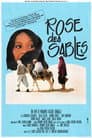
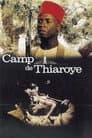
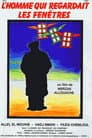
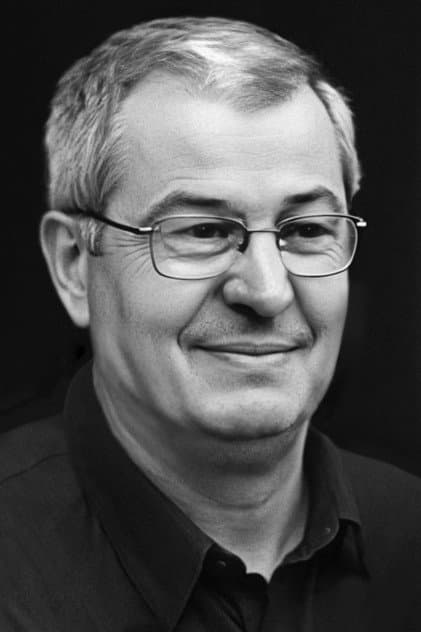
Smaïl Lakhdar-Hamina (إسماعيل لخضر حامينا), born in 1943 in M'Sila, Algeria, and died on December 14, 2021, at the age of 78, in Algiers, is an Algerian cinematographer and director. Born in 1943 in M'Sila, Smaïl Lakhdar-Hamina grew up in a family steeped in cinematography: he was the brother of the renowned director Mohammed Lakhdar-Hamina, who won the Palme d'Or at Cannes in 1975 for the film "Chronique Des Années de Braise." This family connection to the world of cinema led him early on toward a technical career, specializing in cinematography. Smaïl Lakhdar-Hamina began his career in the 1960s, a pivotal period for the nascent Algerian cinema. He quickly established himself as a key cinematographer, helping to create the visual aesthetic of many iconic Algerian films. Among the major works he collaborated on are: Hassan Terro (1968) by Mohamed Lakhdar-Hamina, a comedy-drama that has become a cult classic. Omar Gatlato (1976) by Merzak Allouache, a pioneering film in the Algerian cinematic revival. Les Folles Années Du Twist (1983) by Mohamed Zemmouri, a social chronicle set against a backdrop of music and youth. Camp de Thiaroye (1988), co-directed by Ousmane Sembène and Thierno Faty Sow, which deals with the tragic return of Senegalese riflemen after the Second World War. Smaïl Lakhdar-Hamina also worked on numerous other notable films, such as The Man Who Looked at the Windows (1978), The Refusal (1982), Rose of the Sands (1989), Wanderings (1993), Fatima and the Sea (1995), The Other Side of the Mirror (2007), and Créneaux (2009). His career spans more than four decades, during which he has adapted to evolving cinematic techniques and styles. Known for his quality lighting and his sense of framing, Smaïl Lakhdar-Hamina has helped shape the image of Algerian cinema, bringing a realistic and poetic touch to his collaborations. His work has highlighted the landscapes, faces, and atmospheres specific to Algeria and North Africa, contributing to the rise of an authentic and committed national cinema. Smaïl Lakhdar-Hamina died on December 14, 2021, in Algiers, at the age of 78. He leaves behind a rich and respected body of work that has influenced several generations of filmmakers and viewers. He was buried in the Ben Aknoun cemetery in Algiers. His career remains a model for young cinematographers in the Maghreb, and his name remains associated with the golden age of Algerian cinema.
What is the best Smaïl Lakhdar-Hamina movie?
Movie Rankings is still collecting enough aggregate data to name a definitive top Smaïl Lakhdar-Hamina movie.
How many Smaïl Lakhdar-Hamina movies are ranked here?
This page tracks every ranked credit we currently have for Smaïl Lakhdar-Hamina, and expands as more titles and comparisons are added.
How often do Smaïl Lakhdar-Hamina rankings update?
These rankings refresh whenever Movie Rankings recomputes global results. This page was last generated from site data on May 6, 2026.
Sources & freshness
Last refreshed from site data on May 6, 2026.